How to Read Institutional Block Trades
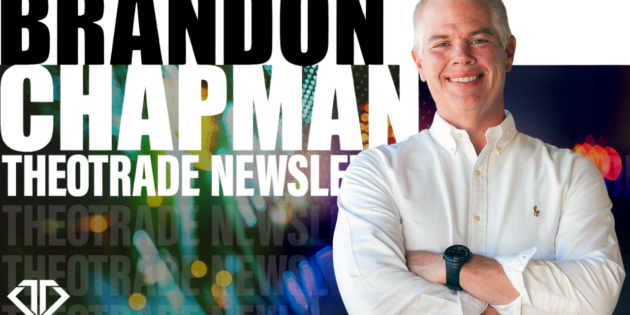
One of the biggest advantages institutional traders have over retail traders is size. When hedge funds, pension funds, and market makers move capital, they do it in massive quantities — and those large transactions leave behind detectable footprints in the options market. Learning how to read those footprints is exactly what Brandon Chapman, CMT, teaches through his Block Hunter program at TheoTrade.
This guide breaks down what institutional block trades are, how they appear in the market, and how Brandon’s methodology turns that data into actionable trade setups.
What Is an Institutional Block Trade?
A block trade is a large transaction — typically involving a significant number of options contracts — executed by an institutional player such as a hedge fund, bank, or market maker. Unlike retail trades which tend to be small and scattered, block trades are concentrated, purposeful, and often executed in ways designed to minimize market impact.
In the options market specifically, institutional block trades frequently appear as:
- Large call or put purchases at a single strike price
- Volume that significantly exceeds the existing open interest on a contract
- Activity concentrated in a specific expiration window
- Trades filled at or above the ask price indicating the buyer was willing to pay a premium to get the position on
When these conditions align it signals that an institution is making a deliberate, high-conviction bet on the direction of a stock or ETF.
Why Institutional Block Trades Matter
Institutions don’t trade on hunches. When a hedge fund buys 5,000 call contracts on a single stock in a single session, they have a reason. They may know earnings are going to surprise, they may be positioned ahead of a macro event, or they may have identified a technical setup that their models are flagging as high probability.
By the time that information becomes public knowledge — and by the time retail traders react to the news — the institutional position is already in place and profits are already being taken. Reading block trades gives retail traders a window into institutional positioning before the move develops.
As Brandon Chapman explains in his Block Hunter sessions at TheoTrade, the goal is not to predict the market — it’s to follow the data and position alongside institutions before the broader market catches on.
The Key Signals Brandon Chapman Looks For
Through his Surveillance Console and Block Hunter methodology, Brandon has identified a specific set of criteria that separates genuine institutional block trades from routine market noise:
Volume Greater Than Open Interest When the volume on a specific options contract exceeds the existing open interest for that contract, it means new money is entering the position. This is one of the clearest signals that fresh institutional capital is being deployed rather than existing positions being reshuffled.
Minimum Volume Threshold of 2,000 Contracts Not all large trades are institutional. Brandon’s system filters for a minimum of 2,000 contracts traded on a single option to ensure the activity is significant enough to warrant attention.
Filled at or Above the Ask When an options trade is filled at or above the ask price it means the buyer was aggressive — they wanted the position badly enough to pay a premium. This urgency is a hallmark of institutional conviction. Trades filled at the bid are typically sold positions and are less relevant to Brandon’s methodology.
High Sizzle Index The sizzle index measures how much today’s options volume compares to the average daily volume for that stock. A reading of 5 means options are trading at 5 times their normal volume. A reading of 12 means 12 times. The higher the sizzle index the more unusual and significant the activity.
Strike Price Relative to Current Price The strike price tells you where the institution is targeting. A call option with a strike price significantly above the current stock price signals that the institution expects a substantial upside move. Understanding the relationship between the strike price and current price helps contextualize the conviction behind the trade.
How to Put It All Together
When Brandon identifies a block trade that meets his criteria he distills it into four key data points that members use to evaluate the setup:
- Symbol — which stock or ETF is seeing the activity
- Direction — bullish if calls are being bought, bearish if puts are being bought
- Target — the strike price the institutional activity is pointing toward
- Timeframe — the expiration date of the options contract
With those four pieces of information a trader doesn’t need to analyze charts, read earnings reports, or follow financial news to make a decision. The institutional activity itself provides the thesis — and the block trade data provides the evidence.
Common Mistakes When Reading Block Trades
Not every large options trade is a signal worth acting on. Brandon teaches members to avoid these common pitfalls:
- Confusing sold positions for bought positions — a large trade filled at the bid is a sold position, not a bought one. Only trades filled at or above the ask represent aggressive institutional buying
- Ignoring the volume to open interest ratio — high volume alone isn’t enough. Volume needs to exceed open interest to confirm new money is entering the position
- Chasing trades without context — a block trade in isolation is one data point. Brandon always evaluates the broader market context, sector activity, and price structure before acting on a signal
- Overtrading — the console may surface dozens of alerts in a session. The discipline is in selecting only the highest conviction setups rather than trying to trade everything
Start Reading Institutional Block Trades with Brandon Chapman
Brandon Chapman’s Block Hunter program at TheoTrade gives members direct access to his Surveillance Console, weekly trade alerts, live masterclass sessions, and Ghost Hour analysis — everything you need to start reading institutional block trades the way Brandon does.
You don’t need a complicated setup. Just 30 minutes a day and a systematic process is enough to start identifying where smart money is moving before the rest of the market catches on.