Finding strength without the guesswork
There are thousands of stocks to choose from on any given day. Checking each one for strength across multiple timeframes by hand isn’t realistic, so most traders end up following whatever is trending on social media or in the news.
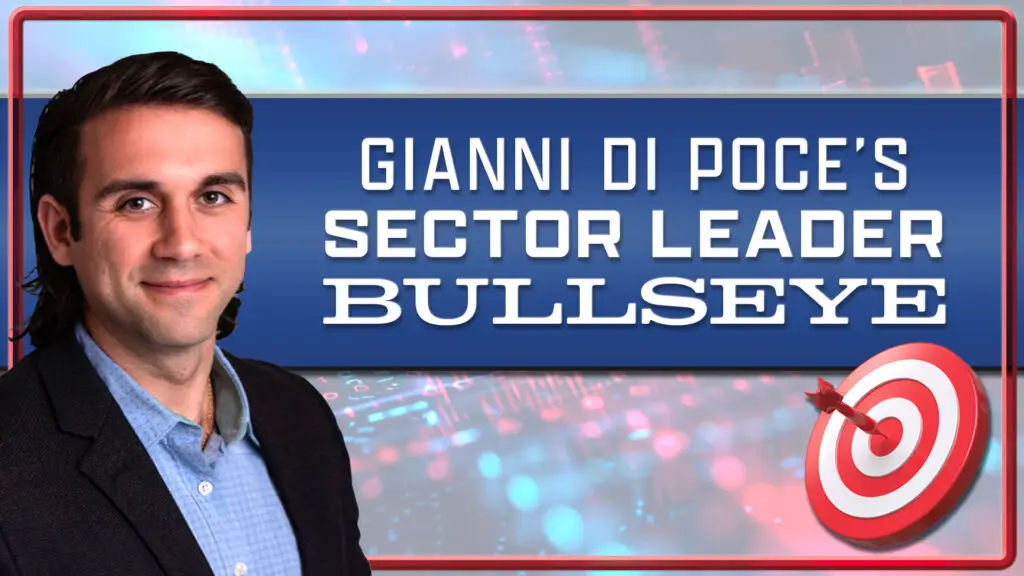
Gianni Di Poce built the Trinity Terminal to solve that problem. It’s the scanner at the center of his Trinity Trade program, and it does the heavy lifting of finding and ranking stocks before their moves show up in the headlines.
Here’s what the Trinity Terminal does, how it ranks setups, and how members use it.
What the Trinity Terminal scans for
The Trinity Terminal is a forward-looking scanner built around one idea: the Trinity Alignment. That’s the moment when three layers of institutional trend line up on the same stock.
| Layer | Timeframe | What the Terminal checks |
|---|---|---|
| Tide | Long-term | Is large money steadily positioning in this stock? |
| Wave | Mid-term | Is that support building momentum right now? |
| Ripple | Short-term | Is short-term strength confirming it’s time to act? |
Most scanners look backward. They show you what already moved today. The Trinity Terminal is designed to flag alignments while they’re still forming, so traders can see strength building before the crowd does.
The Trinity Score: ranking what matters most
Finding aligned stocks is step one. Knowing which ones to focus on is step two. That’s where the Trinity Score comes in.
Every setup the Terminal finds gets a Trinity Score, a weighted ranking of how strong the alignment is. The stronger and cleaner the alignment across the tide, wave, and ripple, the higher the score.
That turns a long list of possibilities into a short, ordered watchlist. Instead of flipping through hundreds of charts, traders start with the highest-ranked names and work down.
How members use the Terminal
The Trinity Terminal is the first step in the Trinity Trade process, not the whole thing. Here’s how it fits in:
- Scan. The Terminal surfaces stocks where the tide, wave, and ripple are syncing.
- Rank. The Trinity Score puts the strongest setups at the top.
- Plan. Gianni turns the best setups into weekly trade alerts with a defined entry, stop, targets, and position size.
- Choose. Each alert includes both a stock setup and an options plan, so members trade the version that fits their account.
- Review. Twice-weekly live coaching sessions walk through what the Terminal is showing and how Gianni is reading it.
Members can use the Terminal on their own to build watchlists, or follow along as Gianni shows how he uses it in real time.
How to get access
The Trinity Terminal isn’t sold on its own. It’s included with Trinity Trade, and members get charter access as part of their membership.
| Plan | Price | Terminal included |
|---|---|---|
| 3-Year Charter Pass (18 months free) | $2,995 | Yes |
| 1-Year Charter | $1,995 | Yes |
Both plans come with a 30-day money-back guarantee. Along with the Terminal, members get weekly trade alerts, twice-weekly live coaching, a real-money $100K portfolio to follow, quarterly forecasts, and the Trinity Masterclass.
Start scanning with the Trinity Terminal
The Trinity Terminal does what’s nearly impossible by hand: it checks thousands of stocks for alignment across three timeframes and ranks the best setups so you know where to look first.
Get access through Trinity Trade, backed by a 30-day money-back guarantee.
New to Gianni’s approach? Start with What Is the Trinity Alignment? or visit the Gianni Di Poce page to see how he trades stocks and Nasdaq futures.